

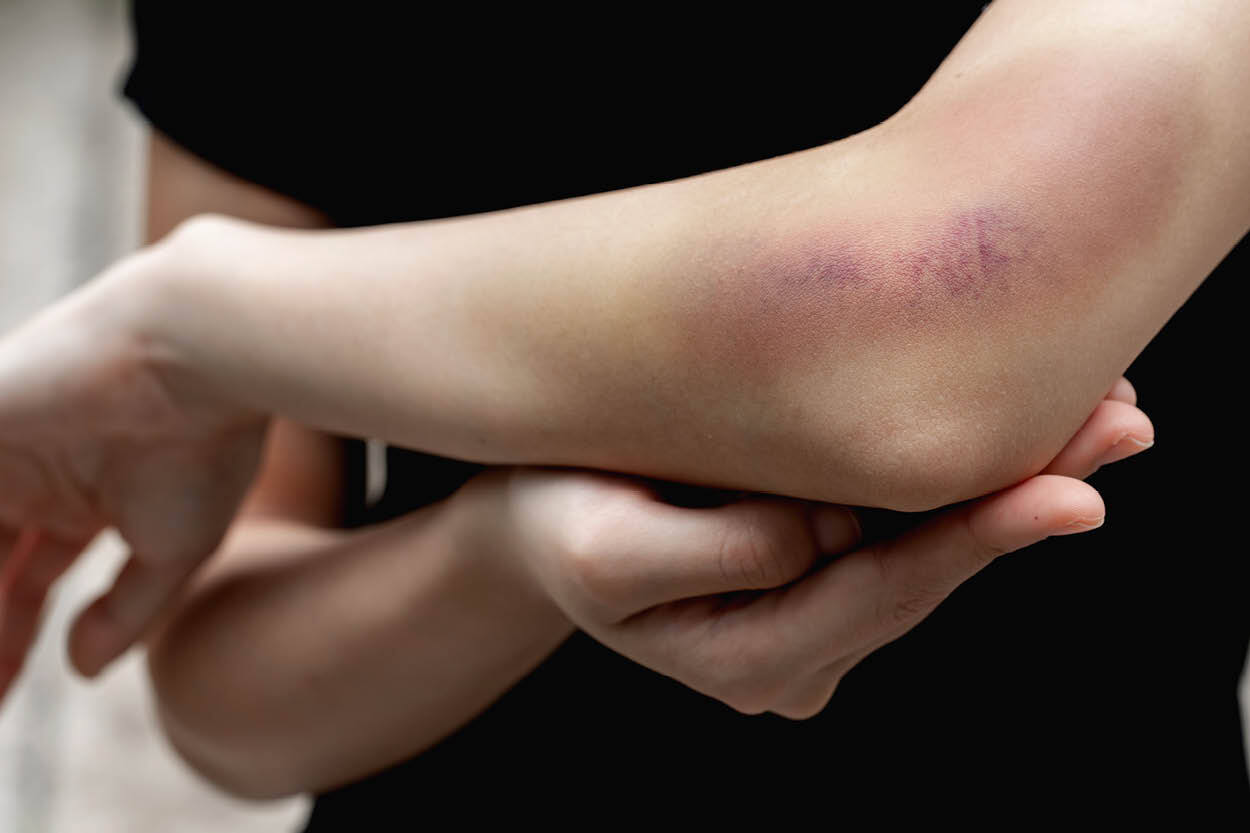
When Bruising Can Signal More
We've all discovered a bruise on our leg and thought, “When did that happen?” But if you notice bruises that show up for no clear reason or take longer than usual to heal, your body might be telling you something important. If your blood isn't clotting the way it should, our hematology team here in PCSRI can help you figure out what's going on and what to do about it.
Some people are born with blood that doesn't clot the way it should. Hemophilia is a genetic disorder that happens when the body lacks certain clotting factors. It mostly affects males and comes in two types: hemophilia A and B. People with hemophilia may bleed longer or get large bruises even from small injuries. There's no cure yet, but with the right treatment plan, people with hemophilia live full, active lives.
Von Willebrand disease (VWD) is the most common inherited bleeding disorder. If your body doesn’t make enough of a certain clotting protein, called von Willebrand factor, you might bruise easily, get frequent nosebleeds, or have heavier menstrual periods than usual.
Platelets can also be the culprit. These tiny blood cells are like your body's emergency repair crew. If you do not have enough platelets or they do not work well, you may bruise more easily. These problems can be inherited or triggered by medications, autoimmune conditions, or other health issues. At Pennsylvania Cancer Specialists and Research Institute, our doctors can run tests to identify the cause of your symptoms and create a treatment plan tailored to you.
When to see a Doctor
Give us a call if bruises keep appearing without explanation, especially big ones in unusual spots like your back or stomach. The same goes for heavy periods, nosebleeds that won't quit, or small cuts that bleed more than they should. Gums bleeding every time you brush? New medication and suddenly bruising more? Our hematology specialists at PCSRI can help you find out why.
We know that unexplained symptoms are unsettling, but you are not alone. Our caring team is here to provide you with answers, support, and care that meet your needs. If you are concerned about bruising or have questions about your symptoms, contact PCSRI to set up a visit with one of our hematology specialists.